


Bath time with a Yorkshire Terrier or Pomeranian can quickly turn your home into a splash zone unless you use the right drying product. Busy dog owners know that wet fur means shivering, mess, and discomfort for small breeds. With options like microfiber towels and drying coats that absorb 3 to 7 times their weight in water, you can cut drying time and keep your dog cozy after every wash or rainy walk. Discover how the right absorbency brings true comfort and health benefits to your small companion.
Table of Contents
- Absorbency Defined For Dog Drying Products
- Top Materials Used In Dog Drying Coats
- How Absorbency Impacts Dog Comfort And Health
- Comparing Popular Drying Solutions For Dogs
- Choosing The Right Dog Drying Coat
Key Takeaways
| Point | Details |
|---|---|
| Absorbency Matters | High absorbency materials like microfiber and chamois significantly reduce drying time and improve comfort for small dogs. |
| Material Selection is Key | Choose fabrics based on your dog’s needs; microfiber excels in colder climates while bamboo is ideal for sensitive skin. |
| Fit and Design Count | Ensure the drying coat fits properly with features like adjustable straps for effective moisture absorption. |
| Invest in Quality | Durable materials withstand repeated washes and retain their effectiveness, making them a worthwhile investment for frequent use. |
Absorbency Defined for Dog Drying Products
Absorbency is the ability of a material to soak up and hold water. For dog drying products, this means how much moisture the fabric can pull from your small dog’s wet coat and keep trapped inside the material rather than dripping back onto your floors.
Think of it like the difference between a regular bath towel and a specialized drying robe. Regular cotton towels typically absorb their own weight in water, meaning they’re saturated quickly. Dog drying towels, however, are engineered differently.
Specialized dog drying towels can hold between 3 to 7 times their own weight in water. That’s not a minor upgrade—that’s a game-changer for owners managing multiple bath sessions or dogs that hate prolonged drying times.
Here’s what happens at the fabric level:
- Capillary action creates suction through fine fibers that draw water away from fur
- Microfiber materials have microscopic spaces that trap moisture effectively
- Chamois-style fabrics mimic leather’s natural water-wicking properties
- Densely woven construction prevents water from simply being pushed around rather than absorbed
The difference between regular towels and absorbent dog drying products comes down to fiber engineering—one soaks up water, the other actively pulls it away and holds it captive.
Small dog owners face a specific challenge: their pets dry faster but also get cold quickly. Highly absorbent products reduce drying time significantly, meaning your Chihuahua or Pomeranian spends less time wet and shivering.
When a product has low absorbency, water sits on the surface and drips. You’re essentially just moving water around, not removing it. Your dog stays wet longer, which increases discomfort and the risk of skin irritation or fungal issues.
High absorbency does something different. The material grabs moisture and holds it within the fibers, away from your dog’s skin. This creates a drying effect that actually works rather than just redistributing wetness.
The choice between cotton, microfiber, and chamois comes down to how you prioritize absorbency. Microfiber and chamois consistently outperform cotton for moisture retention, which directly impacts how quickly your small dog gets dry.
Understanding absorbency helps you make smarter purchasing decisions. You’re not just buying fabric—you’re investing in a tool that reduces wet time and improves comfort for your small dog after baths, outdoor adventures, or rainy walks.
Pro tip: Test absorbency by wetting a small corner of any drying product before buying—squeeze it over a sink and see how much water drips out versus staying trapped in the fabric.
Top Materials Used in Dog Drying Coats
Not all fabrics perform equally when it comes to drying your small dog. The material you choose determines how fast moisture leaves the coat, how comfortable your pup feels, and how long the product lasts through repeated washes.
Three main materials dominate the dog drying coat market today. Each has specific strengths that matter depending on your climate, your dog’s skin sensitivity, and how often you bathe your pet.
Cotton is the traditional choice. It’s breathable, comfortable against skin, and offers decent absorbency. Cotton doesn’t irritate sensitive skin and feels soft during the drying process. However, it absorbs its own weight in water and then stays damp longer than alternatives.
Bamboo blends bring sustainability into the picture. Bamboo materials offer antibacterial properties that naturally reduce odors and the risk of skin infections. They’re lightweight, highly absorbent, and ideal for dogs with sensitive or reactive skin. Bamboo dries faster than cotton while remaining incredibly gentle.
Microfiber is the performance choice. It has exceptional absorbency—pulling moisture away from fur multiple times faster than cotton. Microfiber dries quickly, resists odors, and requires minimal maintenance between washes.
Here’s how they compare:
- Cotton: Breathable, gentle, moderate absorbency, slower drying
- Bamboo: Antibacterial, sustainable, high absorbency, lightweight feel
- Microfiber: Maximum absorbency, fastest drying, low maintenance, synthetic material
Material choice isn’t just about absorbency—it’s about matching the fabric to your dog’s needs and your climate conditions.
Climate matters more than people realize. Warm climates benefit from lightweight bamboo or microfiber that won’t trap excess heat. Cold climates need thicker materials that insulate while absorbing moisture. Moderate climates offer flexibility across all three options.
Your dog’s skin type drives the material decision too. Sensitive skin dogs thrive with bamboo’s naturally antibacterial properties. Dogs prone to fungal issues benefit from microfiber’s quick-drying action that prevents moisture from lingering on skin.
Small dog owners should prioritize quick drying above all else. Your Maltese, Pomeranian, or Yorkshire Terrier loses body heat rapidly when wet. Materials that eliminate dampness quickly prevent hypothermia risk and discomfort.
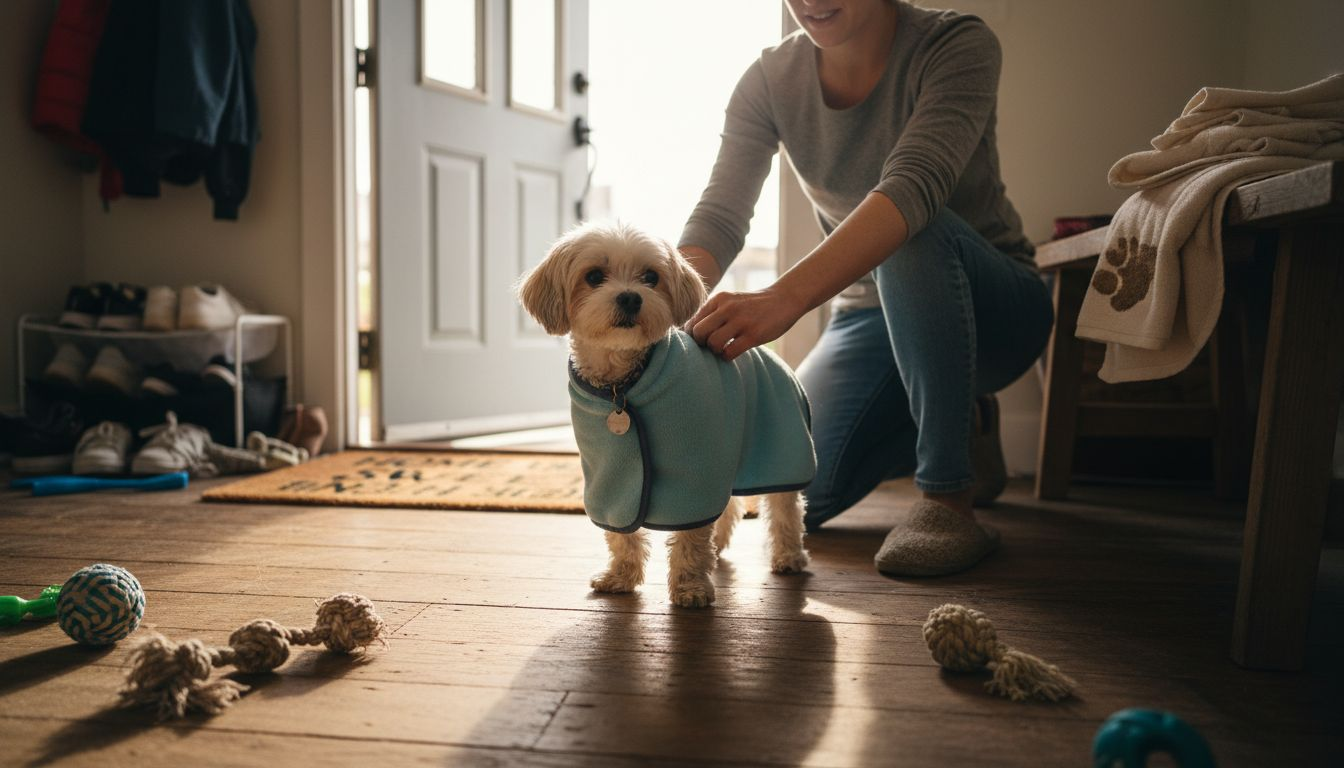
Durability varies by material. Microfiber withstands countless wash cycles without degrading. Bamboo and cotton eventually wear down, requiring replacement every couple of years with regular use.
Here’s a summary comparing the key characteristics and ideal uses for common dog drying materials:
| Material | Best For | Drying Speed | Durability Level |
|---|---|---|---|
| Cotton | Budget buyers | Slow to moderate | Wears after 2 years |
| Bamboo | Sensitive skin, warm climate | Moderately fast | Moderate (replaces in 1-2 years) |
| Microfiber | Frequent baths, cold areas | Fastest | Lasts many wash cycles |
Pro tip: Choose microfiber if you bathe your dog weekly or more, bamboo if your dog has sensitive skin and moderate bathing frequency, and cotton only if budget is your primary concern.
How Absorbency Impacts Dog Comfort and Health
Absorbency isn’t just about convenience—it directly affects your small dog’s physical comfort and long-term health. When a drying product fails to absorb moisture effectively, your dog stays wet longer, triggering a cascade of problems that go beyond feeling uncomfortable.
Prolonged dampness creates the perfect environment for skin issues. Bacteria and fungi thrive in moist conditions, especially in the folds and crevices of small dog coats. Proper moisture management prevents fungal infections and reduces the risk of bacterial overgrowth that causes itching, odor, and infection.
Small dogs lose body heat rapidly when wet. Your Chihuahua or Maltese can experience dangerous chilling within minutes of a bath. Highly absorbent products that remove moisture quickly keep your dog warm and prevent the stress response that comes from feeling cold and uncomfortable.
Here’s what happens when absorbency fails:
- Skin irritation develops from moisture sitting against the skin for extended periods
- Fungal growth accelerates in warm, damp environments on the dog’s coat
- Body temperature drops faster, increasing hypothermia risk in toy breeds
- Stress hormones spike when dogs feel wet and chilled, affecting behavior
- Ear infections become more common when moisture gets trapped in ear canals
High absorbency eliminates moisture fast, preventing the health issues that come with prolonged dampness.
Your dog’s behavior improves noticeably when drying time drops. A wet, chilled dog becomes anxious, restless, and prone to defensive behaviors. A dry, warm dog relaxes, settles down, and shows normal playful energy.
Stress reduction matters more than most owners realize. The psychological relief of being dry and comfortable supports overall wellbeing and even strengthens the bond between you and your pet. A happy, content dog is a healthier dog.
Skin health directly correlates with absorbency performance. Dogs with low-absorbency products experience significantly higher rates of dermatitis, yeast infections, and bacterial issues. These conditions require veterinary treatment, medication, and weeks of recovery.
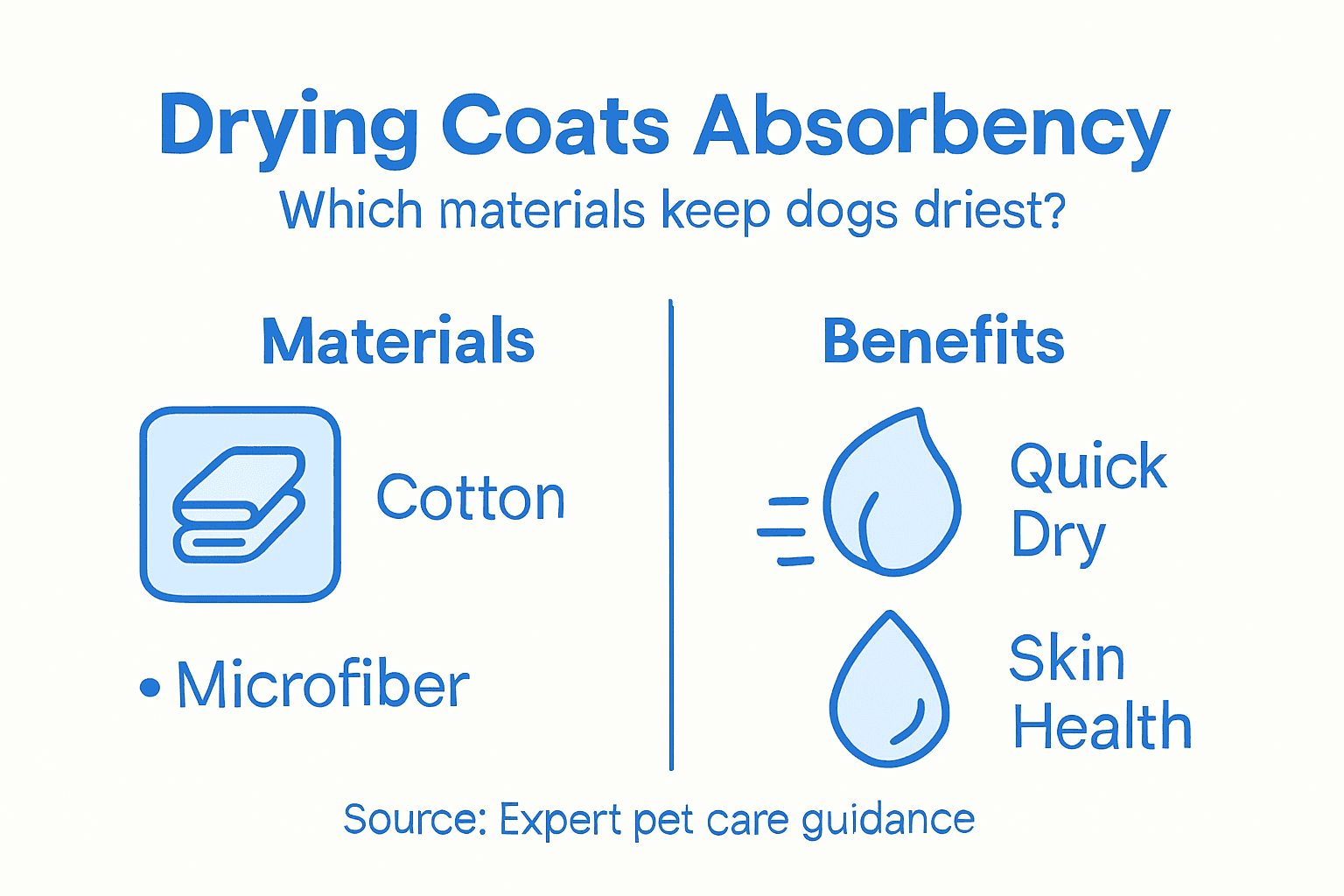
Investing in high-absorbency drying products prevents these health problems entirely. You’re not just buying comfort—you’re buying preventive healthcare that keeps your dog’s skin healthy and immune system strong.
The difference is measurable. Dogs dried with high-absorbency materials show faster recovery times after baths, fewer skin complaints, and better overall coat condition compared to those dried with low-absorbency alternatives.
Pro tip: After bathing, use an absorbent drying coat immediately rather than letting your small dog air dry or sit in a regular towel—this single action prevents most moisture-related skin and health issues before they start.
Comparing Popular Drying Solutions for Dogs
Not every drying method works equally well for small dogs. The solution you choose determines how fast your pet dries, how comfortable they feel during the process, and whether moisture actually gets removed or just redistributed.
Traditional towels are the baseline. Regular cotton towels absorb their own weight in water, then become saturated and useless. You end up rubbing your dog repeatedly, which frustrates both of you and takes forever to achieve decent dryness.
Microfiber towels jump several levels ahead. They absorb 3-7 times their weight in water without becoming heavy or soggy. Drying time drops dramatically—often by 50-70% compared to cotton towels—making them ideal for small dogs that lose heat quickly.
Chamois-style towels offer similar performance to microfiber. They mimic leather’s natural water-wicking properties and feel exceptionally soft against sensitive skin. Both microfiber and chamois outperform cotton in every measurable way.
Drying coats represent the next evolution. Rather than using a towel and setting it down, your dog wears an absorbent robe that continuously wicks moisture away from their coat. This combination of high absorbency with wearable convenience keeps your dog warm while drying happens passively.
Here’s the practical comparison:
- Cotton towels: Low absorbency, slow drying, requires constant reapplication
- Microfiber towels: High absorbency, 50-70% faster drying, easy to use
- Chamois towels: Excellent absorbency, gentle feel, quick drying
- Drying coats: Continuous moisture wicking, warmth retention, hands-free convenience
Drying coats combine the absorption power of microfiber with the practicality of wearable warmth, making them the most comprehensive solution for small dogs.
Drying coats shine for busy owners. Your dog wears the robe while you handle other tasks, and moisture gets absorbed continuously. No constant rubbing or repositioning—just steady, passive drying that works while your Pomeranian or Maltese relaxes.
Traditional towels require active work. You’re constantly wrapping, rubbing, and rewetting the towel. After 10-15 minutes of effort, your dog might still be damp. Microfiber accelerates this process significantly but still demands hands-on effort.
Small dog owners specifically benefit from drying coats. Your pet loses body heat rapidly when wet, and wearing an absorbent coat prevents dangerous chilling while drying happens. This combination addresses the two biggest challenges small dog owners face: speed and temperature management.
Cost varies by solution. Cotton towels cost least upfront but waste your time repeatedly. Microfiber and chamois offer better value through faster results. Drying coats represent a higher initial investment but deliver the best overall efficiency and comfort for your small dog.
Here’s a comparison of drying solutions to help you decide which fits your routine:
| Solution | Level of Owner Involvement | Warmth Retention | Upfront Cost |
|---|---|---|---|
| Cotton Towel | High (manual drying) | Minimal | Lowest |
| Microfiber Towel | Moderate (less effort) | Some | Moderate |
| Drying Coat | Low (hands-free) | Highest (wearable) | Highest |
Pro tip: Invest in a drying coat rather than relying on towels alone—your small dog dries faster, stays warmer, and you spend less time actively managing the drying process.
Choosing the Right Dog Drying Coat
Selecting a drying coat isn’t just about grabbing the first option you see. The right choice balances material quality, fit, climate suitability, and design features to ensure your small dog dries quickly while staying comfortable and warm.
Start with material selection. Your climate determines which fabric works best. Bamboo blends excel in warm climates because they’re breathable and lightweight without overheating your dog. Cotton handles moderate climates adequately. Microfiber dominates cooler climates due to superior moisture absorption and rapid drying speed.
Small dog owners in cold areas should prioritize microfiber. Your Chihuahua loses body heat fast, and microfiber dries moisture so quickly that your pet stays warm throughout the process. This dual benefit—rapid moisture removal plus warmth retention—makes microfiber the standout choice for toy breeds.
Fit is absolutely critical. An ill-fitting coat won’t absorb moisture efficiently because gaps allow moisture to escape without being captured by the fabric. Measure your dog’s back length carefully and check the chest circumference against sizing charts.
Here’s what to measure:
- Back length from neck to tail base (most important measurement)
- Chest circumference at the widest point behind the front legs
- Neck opening to ensure the coat doesn’t slip off or restrict breathing
A snug but comfortable fit ensures moisture gets absorbed efficiently instead of wicking around the edges.
Design features separate average coats from exceptional ones. Adjustable straps let you customize the fit as your dog grows or changes weight. Layered fabrics increase absorbency and drying speed significantly compared to single-layer alternatives.
Look for thoughtful design touches. Belly straps keep the coat secured without slipping. Leg holes prevent tangling and allow natural movement. Collar designs won’t irritate your dog’s neck during extended wear.
Durability matters financially. A quality drying coat should withstand 50+ wash cycles without degrading absorbency or softness. Cheaper options often lose effectiveness after 10-15 washes. Your initial investment determines how many years the coat remains genuinely functional.
Your dog’s skin sensitivity influences material choice too. Sensitive or irritation-prone dogs benefit from bamboo’s natural antibacterial properties. Dogs with normal skin tolerate microfiber perfectly well and gain the speed advantage.
Consider how often you’ll use the coat. Daily bathing or multiple outdoor adventures weekly justify investing in premium microfiber. Occasional baths work with more modest cotton options if budget is tight.
Pro tip: Measure your dog while standing still and relaxed, then add a half-inch to the back length measurement to ensure the coat fits comfortably without restricting movement or causing binding at the chest.
Discover Ultimate Absorbency with Doggy Dry’s Earth & Tide Robes
Worried about your small dog staying wet and cold after every bath or rainy walk The challenge of finding a drying coat that truly absorbs moisture and keeps your pup warm ends now. Our Earth & Tide robes – Doggy Dry are designed with high-absorbency microfiber materials that actively pull and trap water away from your dog’s coat. This means faster drying times and less stress for your furry friend during chilly moments.
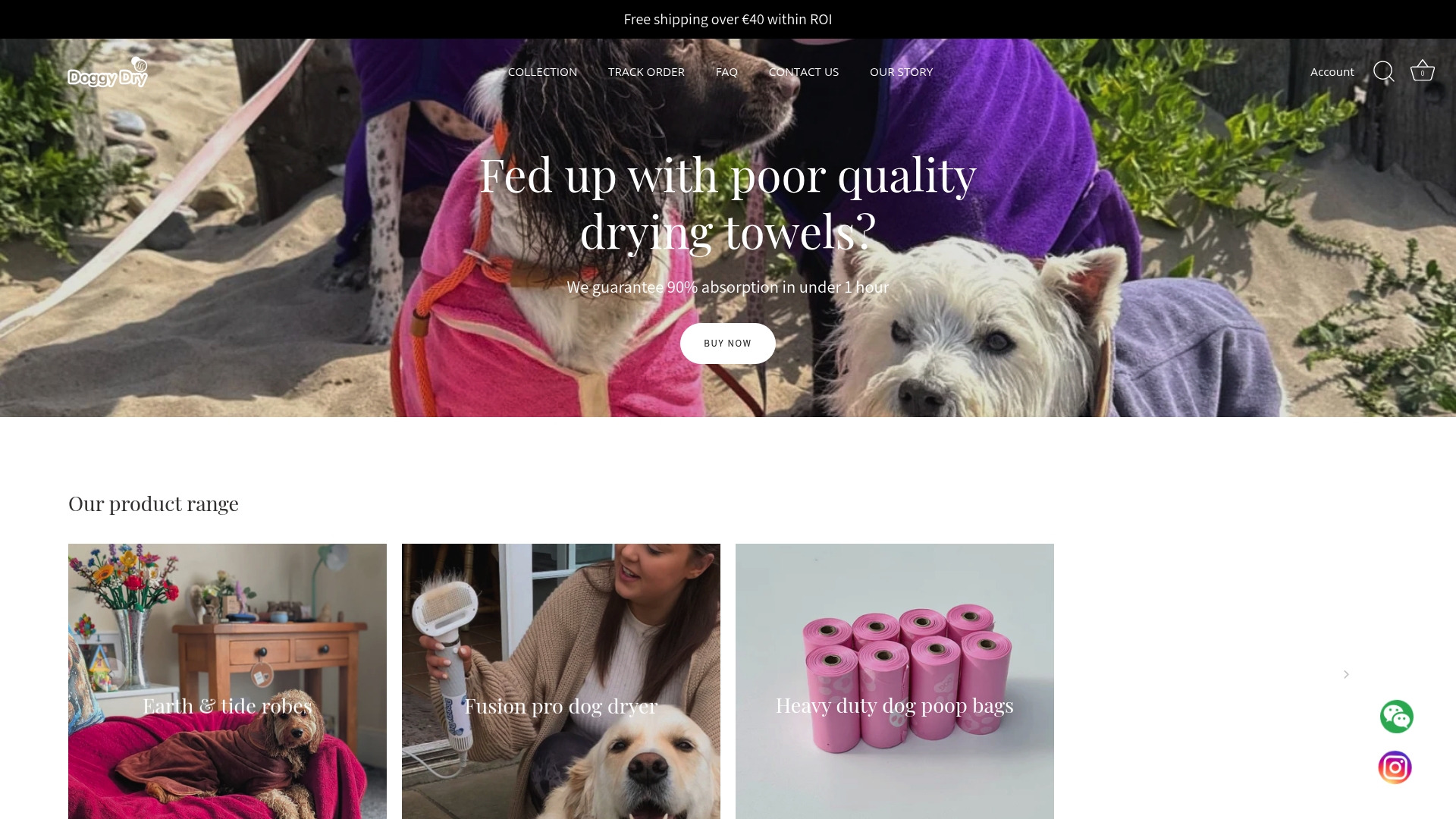
Stop letting ineffective towels and coats prolong your dog’s discomfort. Upgrade today to a solution that delivers warmth, comfort, and superior moisture removal. Visit Doggy Dry now and choose from our premium drying robes or explore the advanced options in Dog Dryer For The Wettest Dogs – Doggy Dry for maximum drying efficiency. Your dog deserves the best care right after every wet adventure so don’t wait to make drying faster and healthier.
Frequently Asked Questions
What is absorbency in dog drying products?
Absorbency refers to a material’s ability to soak up and retain moisture. In dog drying products, it indicates how effectively the fabric can draw water from your dog’s wet coat and hold it without dripping onto the floor.
How does absorbency affect my dog’s drying time?
High absorbency materials can hold 3 to 7 times their weight in water, significantly reducing drying time. This means your dog spends less time wet, preventing discomfort and potential health issues associated with prolonged dampness.
What materials are best for high absorbency in dog drying coats?
Microfiber and chamois-style fabrics outperform traditional cotton towels in absorbency. Microfiber is particularly effective, drying quickly and retaining moisture away from your dog’s skin, while bamboo blends offer antibacterial properties and high absorbency.
Why is it important to choose the right drying coat for my small dog?
Small dogs lose body heat quickly when wet. A proper drying coat with high absorbency not only reduces drying time but also keeps your pet warm and comfortable, preventing risks like hypothermia and skin irritation.